BLOG

Haniyeh Hemmati
January 8, 2026


However, not all EHR systems are created equal. Some may suit your needs better than others, depending on your practice size, specialty, budget, goals, and preferences.
Therefore, doing your homework before making a final decision is essential. Choosing the wrong EHR system can have negative consequences for your practice, such as disrupting your operations, frustrating your staff and patients, compromising your data security and privacy, and costing you more money and time in the long run.
This blog post will guide you through the steps to choose the best EHR system for your practice.
Before looking for an EHR system, you must understand why choosing the right one is crucial for your practice. An EHR system can have a significant impact on various aspects of your practice, such as:
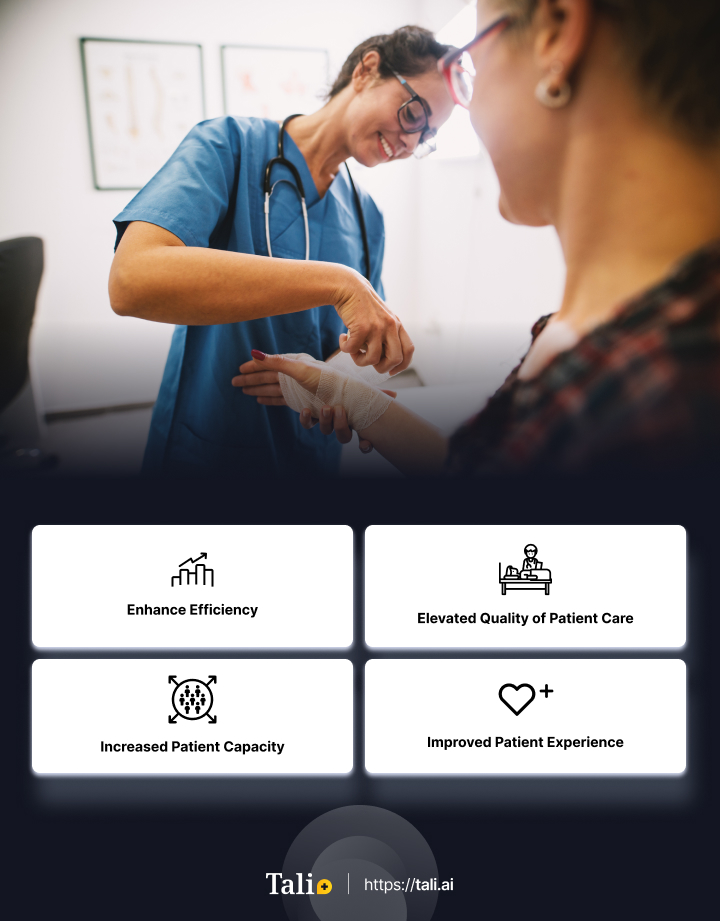
Adopting an EHR
Choosing the right EHR system can help you achieve these benefits and more. However, choosing the wrong one can have the opposite effect. For instance, an EHR system that is not user-friendly or customized to your workflow can cause frustration and confusion among your staff and patients. An EHR system that is incompatible with your existing systems, or other providers' systems, can create interoperability issues and data silos. An EHR system that is not secure, or compliant with local regulations, can expose you to data breaches and legal risks.
Therefore, choosing an EHR system that matches your practice needs and goals is vital. This will ensure you get the most value from your investment and avoid potential pitfalls.
Another reason why choosing the right EHR system is important is that it plays a vital role in communication and data sharing among healthcare providers. In today’s healthcare environment, where patients often receive care from multiple providers across different settings and specialties, it is essential to have a seamless exchange of information among all parties involved.
An EHR system can facilitate this exchange by enabling you to:
An EHR system can help you deliver coordinated, integrated, and patient-centered care by improving communication and data sharing.
Now that you understand the importance of choosing the right EHR system, the next step is understanding your EHR needs. This means identifying the challenges and requirements of your practice and how an EHR system can address them.
The first factor to consider is your workflow. Your workflow is how you and your staff perform your daily tasks, such as scheduling, checking in, documenting, billing, ordering, prescribing, etc. Your workflow can vary depending on your practice size, specialty, location, and preferences.
To identify your workflow challenges and requirements, you need to:
Some examples of workflow challenges and requirements are:
By identifying your workflow challenges and requirements, you can narrow down your EHR options based on their ability to meet them. You will also be able to customize your EHR system to fit your workflow rather than changing your workflow to fit the EHR system.
The second factor to consider is integration. Integration is the ability of your EHR system to communicate and work with other systems, such as practice management software, billing software, lab systems, pharmacy systems, health information exchanges (HIEs), etc. Integration is important because it can enhance workflow efficiency, data quality, interoperability, and security.
To consider integration options, you need to:
Some examples of integration options are:
By considering integration options, you can choose an EHR system that can seamlessly connect with other systems essential for your practice. You can also avoid potential issues such as data duplication, inconsistency, or loss.
After understanding your EHR needs, the next step is to research and compare different available EHR options. This means exploring various EHR vendors' features, functionality, pricing, and support and how they match your needs. To do this, you need to consider the following factors:
The first factor to consider is user-friendliness. User-friendliness is an EHR system's ease of use and intuitiveness for you and your staff. User-friendliness is important because it can affect your adoption rate, satisfaction level, productivity level, and error rate. It does not matter what the system can do, if your staff cannot remember or figure out how to use it.
To evaluate user-friendliness, you need to:
Some examples of user-friendliness criteria are:
The second factor to consider is features and functionality. Features and functionality are the specific capabilities and tools an EHR system offers to help you perform your tasks and achieve your goals. Features and functionality are important because they can affect your practice performance, quality of care, patient satisfaction, and compliance.
To examine features and functionality, you need to:
Some examples of features and functionality are:
/buAppointment management: Allows you to schedule, confirm, cancel, reschedule, or remind patients of their appointments online or via phone, email, or text messages.
By examining features and functionality, you can choose an EHR system that can support your practice performance and quality of care. You can also avoid potential issues such as missing features, malfunctions, or limitations.
The third factor to consider is security and data privacy. Security and data privacy protects your patient's data from unauthorized access, use, disclosure, modification, or destruction. Security and data privacy are important because they can affect your compliance with regulations, reputation and trustworthiness, and liability and risk.
To analyze security and data privacy measures, you need to:
You can choose an EHR system to safeguard your patients' data from potential threats and breaches by analyzing security and data privacy measures. You can also avoid potential issues such as non-compliance, data breaches, or lawsuits.
After researching and comparing different EHR options, the next step is to assess different EHR providers for implementing and adopting the EHR system. This means evaluating the reputation, reliability, support, and training of various EHR vendors and how they can help you transition and maintain the EHR system.
The first factor to consider is vendor reputation and reliability. Vendor reputation and reliability are the trustworthiness and credibility of an EHR vendor based on their track record, customer feedback, industry recognition, and financial stability. Vendor reputation and reliability are important because they can affect your confidence and satisfaction with the EHR system and your ability to resolve any issues or problems that may arise.
Another key factor to assess is pricing models and costs. Pricing models and costs refer to how much an EHR system will cost to purchase, implement, use, and maintain. An EHR system should have a transparent and reasonable pricing model and cost that aligns with your budget and value.
There are different types of costs for EHR systems, such as:
A transparent and reasonable EHR provider should disclose their pricing model and cost upfront and offer flexible and affordable payment options.
The next key factor to assess is staff and patient experience. Staff and patient experience refers to how an EHR system affects your staff and patients' satisfaction, engagement, and outcomes. An EHR system should have a positive impact on your staff and patient experience, such as:
The final step in choosing the best EHR for your practice is conducting demos and trials. Demos and trials are ways of testing an EHR system before you buy it. They allow you to:
Also here, you can explore and evaluate examples of the top Electronic Health Record Systems (EHRs) in The US.
Choosing the best EHR system for your practice is a complex and critical process that requires careful planning, research, comparison, assessment, and selection. Following these steps, you can find an EHR system that meets your needs, expectations, goals, budget, preferences, workflow challenges, and staff and patient experience. You can also avoid potential pitfalls and problems arising from choosing the wrong EHR system.
However, choosing the best EHR system is only part of the journey. You still need to implement and adopt the EHR system successfully in your practice. This involves preparing your practice for the transition, training your staff and patients on how to use the EHR system, monitoring and evaluating the EHR system's performance and outcomes, and making adjustments and improvements as needed.
To help you with this process, consider using Tali, an AI medical dictation and ambient scribe tool that can greatly assist healthcare professionals. Tali is an alternative to remote medical scribe services that can help you document patient encounters faster, easier, and more accurately. Try Tali if you want to experience its benefits for yourself.
Experience the future of healthcare documentation with Tali's AI-powered solutions.
Related Articles


Research
January 8, 2026
10
Research
January 8, 2026
10
Research
January 8, 2026
10